Staying ahead of the curve

Staying ahead of the curve
Staying ahead of the curve
Staying ahead of the curve
Staying ahead of the curve
Staying ahead of the curve
Drawn from 3K LinkedIn conversations, this report captures the voice of the L&D community, revealing what’s changing and what’s next. Shaped by the field. Curated with care.
Read the full report
We analyzed 3,000+ public L&D conversations on LinkedIn across Oct–Dec 2025: mapped with AI, reviewed by experts, and grounded in what real practitioners are thinking, saying, and solving as we move into 2026. This isn’t another survey-based report. It’s what’s actually being shared in the field: tensions, lessons, breakthroughs, and reflections from IDs, CLOs, enablement leads, and comms pros.
Co-shaped with leading L&D voices: Jonathan Hill, Alinnette Casiano, and Antonina Panchenko, this community-driven report surfaces the signals that matter most.
One clear shift stands out: AI is no longer discussed mainly as a productivity tool driving quantitative gains, but as a strategic mindset enabling qualitative change.
The language is moving from speed to impact, from outputs to outcomes. In 2026, L&D teams are moving past the hype. They’re rethinking workflows, reclaiming creative control, doubling down on human value, and redefining where AI belongs. Inside, you’ll find 6 actionable trends that capture this shift, what they are, why they matter now, and how leading teams are adapting.
Based on 978 AI-relevant conversations.


Global Leadership Development Strategist, TEDx Speaker & Top L&D Voice
Followed by 50K+ L&D and HR leaders, Alinnette Casiano is one of the most influential voices shaping modern leadership development. She has designed global programs for 35K+ professionals, including at Amazon Web Services. A former UX researcher, she brings deep expertise in behavioral science, performance psychology, and human-centered learning.
.webp)

Enterprise L&D Strategist, Director and Consultant
With 10+ years leading L&D teams across the financial services, gaming, and SaaS sectors, Jonathan Hill is an enterprise L&D strategist who transforms learning functions into business-impact engines. A three-time DevLearn speaker, his expertise spans AI-enabled learning design, strategic storytelling, and performance-driven learning systems.


Global L&D Leader, Instructional Designer and Consultant
Antonina Panchenko is a learning experience designer and consultant with 15+ years of experience in corporate L&D and adult education. She has launched 100+ learning programs and impacted 50,000+ learners across Europe and Ukraine. She specializes in creating scalable, human-centered learning ecosystems that align business goals with meaningful learner outcomes.

.webp)
Head of Growth and L&D Community at Powtoon
With 11+ years in marketing and community building, Lynn leads Community & Growth at Powtoon. Over the past 6 months, she’s immersed herself in the L&D space, learning directly from practitioners through user calls and KOL conversations, gaining insights that helped her shape this report. Formerly at Wix and with a UX background, she's fascinated by LXD and passionate about helping instructional designers create learning content that’s accessible and engaging.

AI is already an integral part of L&D: the shift now is from faster production to smarter, more impactful learning. In 2026, it’s not only reshaping how content is authored, but also how it’s personalized, measured and tied to business outcomes.
The SME bottleneck isn’t new but now AI is changing how knowledge gets shared, captured, curated and distributed. 2026 marks the shift to AI-supported collaboration, co-creation, and always-on content flows.
In 2026, the question isn’t “what did we launch?” but “what changed as a result?” AI-powered analytics now help L&D prove real business impact, not just engagement.
Static learning content is more selectively being chosen. Micro-modules, social or peer learning, gamified formats and more are on the rise. In 2026, learning is more modular, interactive and community-driven than ever.
As AI scales, L&D is doubling down on distinctly human skills. Emotional intelligence is being designed as a developable capability, through story-driven, learner-centered LXD that builds trust, relevance, and belonging.
While nailing L&D and Comms content is still top of mind, a bigger challenge is managing it. In 2026, teams are drowning in tools and outputs. The shift: improving quality and variety, consolidating platforms, and building ecosystems that scale.

The shift from faster production to smarter, outcome-driven learning

From order-taking to AI-accelerated co-creation and a better connected workforce

From measuring activity to operating as a growth engine

From fixated programs to adaptive micro, nano, and peer-learning experiences

As AI scales, humanity becomes the strategic differentiator

From fragmented stacks to connected learning systems
From fragmented stacks to connected learning systems

Medium - Tactical, output-focused use
Drafting, summarizing, translation, fast content creation. Still dominant, but shrinking as AI adoptation maturity grows.

Broad - Embedded, lifecycle-wide use
AI spans research, creation, curation, personalization, and early impact measurement, often driven by C-level direction.

Narrow - Human-guarded learning zones
Some voices express caution around AI, citing the risk of skill erosion and the use of LLMs in sensitive areas like leadership development, ethics, mental health, and DEI, which are seen as deeply human-led.
Signal: Tactical AI use still leads. But the signal is clear, embedded, lifecycle-wide integration of AI into everyday workflows is accelerating.
Summary: Entering 2026, 52% of L&D pros are putting AI to medium use (tactical, output-focused). 39% of L&D pros are putting AI to broad use (embedded, lifecycle-wide). 9% of L&D pros are putting AI to narrow use (human-guarded learning zones).
What improves when AI enters the workflow
Based on 382 conversations
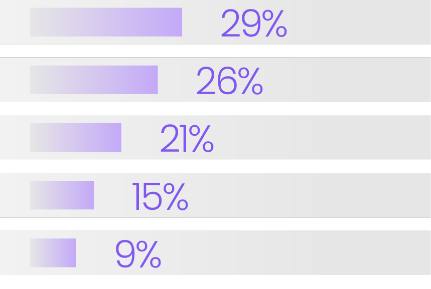





Signal: AI works best as a structuring and acceleration layer, not a replacement for expertise.
Summary: Based on 382 conversations, entering 2026, AI helps SME–ID collaboration by structuring raw SME input (29%), accelerating the speed of first draft or prototype (26%), reducing SME time investment and increasing participation (21%), and improving consistency across learning assets (15%). However, AI risks oversimplifying expert knowledge (9%).
Top drivers behind L&D’s ROI focus in 2026.
Based on 227 conversations
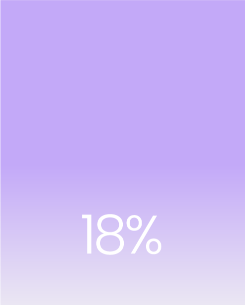
Summary: Based on 227 conversations, entering 2026, the reasons ROI is taking center stage for L&D pros are: Cheaper content production raises expectations (26%), AI enables faster experimentation and iteration (22%), data connects learning to performance more clearly (19%), executives demand stronger proof of impact (18%), and AI exposes what's not working faster (15%).
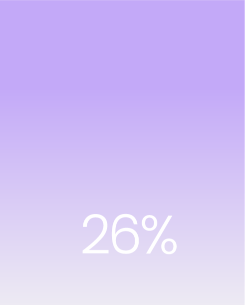



Cheaper content production raises expectations
AI enables faster experimentation and iteration
Data connects learning to performance more clearly
Executives demand stronger proof of impact
AI exposes what isn’t working faster
What learning formats dominate community conversations.
Based on 638 conversations
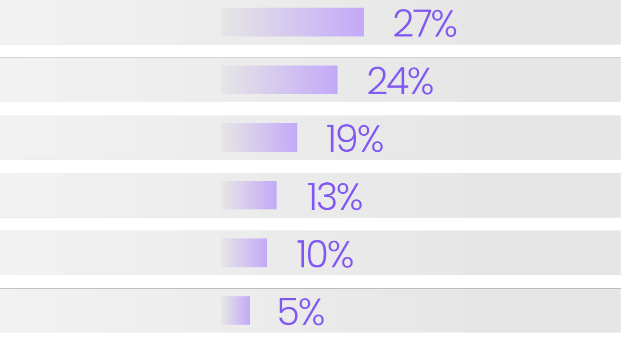






Signal: Modular, social, and experience-led learning is replacing static courses.
Summary: Based on 638 conversations, entering 2026, learning is moving beyond courses with formats like micro & nano learning (27%), scenario-based learning (24%), social/peer learning (19%), gamified learning (13%), gamified learning (13%), learning in the flow of work (10%) and community-driven learning (5%).
How saved time is being reinvested.
Based on 321 conversations
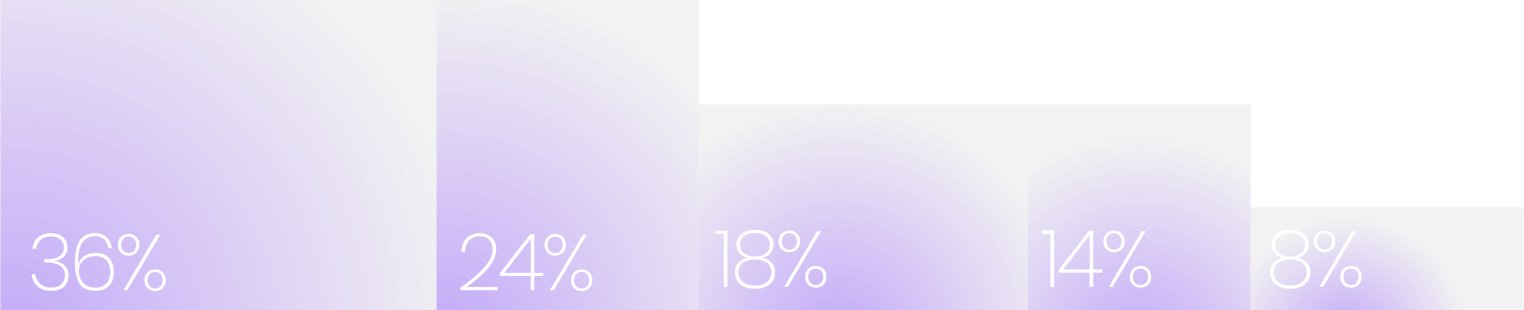
Focus on learner experience,
not just content
Spend more time on meaning and context
Strengthen trust
with learners
Design for emotion
and relevance
Think strategically instead of reactively
Signal: Automation isn’t removing humanity. It’s funding it.
Summary: Based on 321 conversations, entering 2026, AI frees L&D pros to save time and reinvest it in focusing on learner experience instead of just content (36%), spending more time on meaning and context (24%), strengthening trust with learners (18%), designing for emotion and relevance (14%), and thinking strategically instead of reactively.
How AI is framed in conversations.
Based on 486 conversations
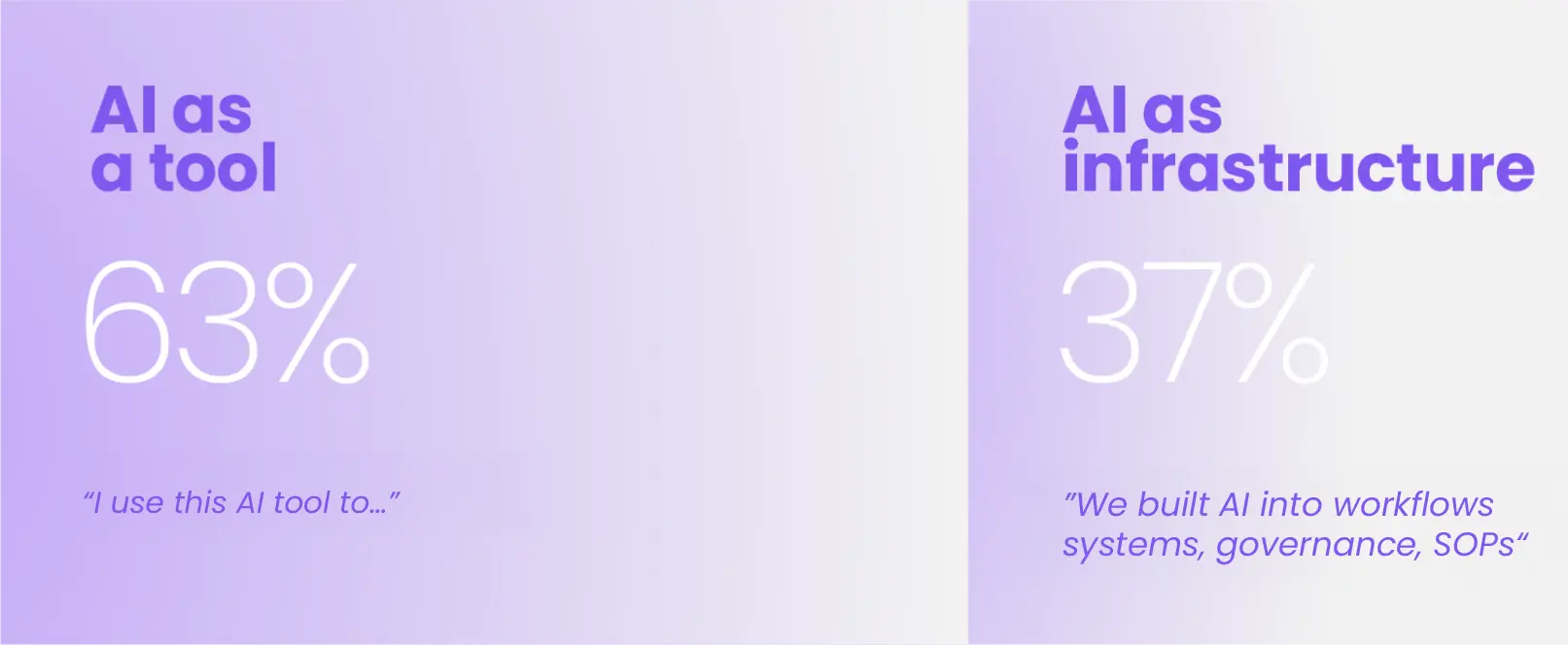
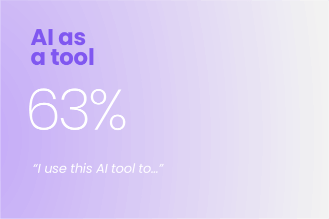
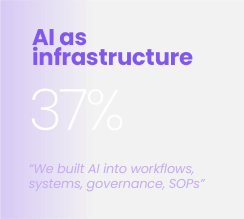
Signal: While most teams still use AI as a tool, the 37% embedding it into systems and workflows are defining what AI maturity in L&D looks like next.
Summary: Based on 486 conversations, entering 2026, 63% of L&D pros use AI as a tool (I use this AI tool to..."), while 37% use AI as infrastructure ("We built AI into workflows systems, governance, SOPs")
What To Expect:
.png)
Join 96% of Fortune 500s
who love using Powtoon
.svg)