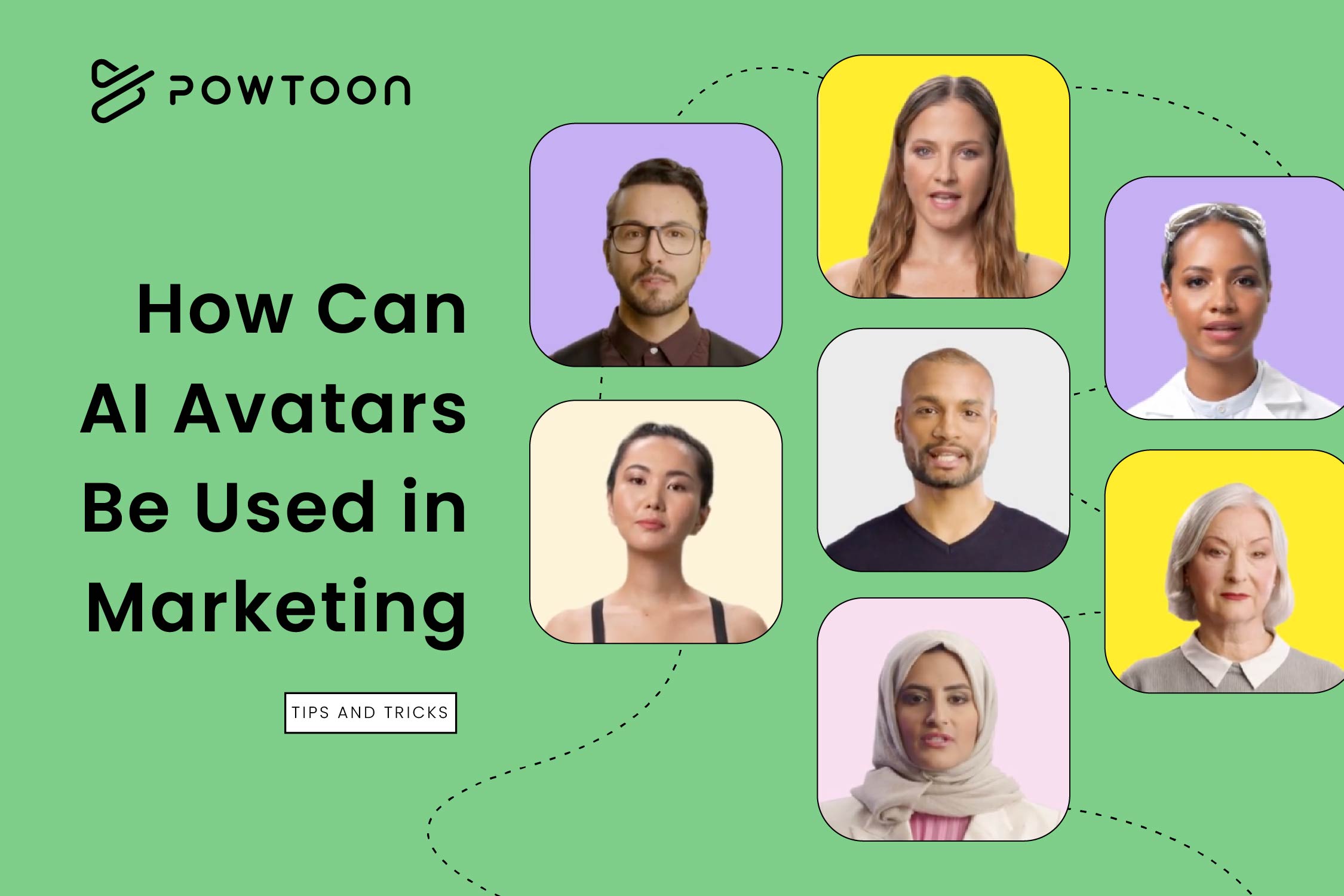
How can AI avatars be used in marketing? Top tools and strategies for 2026
Video marketing in 2026 looks very different from what it did just a few years ago. Teams are expected to create more videos, for more channels, in less time. How can AI avatars be used in marketing is now a common question as teams look for ways to keep up. AI avatars are becoming part of that shift. Instead of relying on long filming days or large production teams, brands now use digital presenters to deliver their messages quickly and consistently.
Marketing teams use AI avatars to scale video production, create personalized content, and keep campaigns moving without delays. You’ll see them in product demos, social media videos, onboarding flows, and even email campaigns. They work just as well for B2B communication as they do for B2C storytelling, helping brands stay present across every stage of the customer journey.
In this article, we’ll look at how teams use AI avatars in modern marketing, the strategies that make them effective, and the top AI avatar generators marketers rely on in 2026. If you’re exploring new ways to create video content these days, this guide will help you understand where AI avatars fit and how to use them well.
What are AI avatars in marketing?
In marketing, AI avatars are digital presenters created with artificial intelligence. Marketers use them to appear in videos and deliver messages without filming a real person each time. They can read scripts, explain products, guide viewers through demos, or share short updates for social media and email campaigns.
AI avatars can be animated or realistic, depending on the style a brand wants to use. Some have a simple, illustrated look, while others resemble a human speaking to the camera. This range makes them suitable for many types of marketing content, from quick social videos to more formal business communication.
A key benefit of AI avatars is how much easier they make video production. Teams can create more videos in less time and at a lower cost. When something changes, they can update the script and generate a new video without reshooting, while keeping the message and visual style consistent across campaigns.
How can AI avatars be used in marketing?
AI avatars appear in social media posts, website videos, email campaigns, product launches, and internal updates. They’re used for short clips, explainer-style videos, and simple messages that companies occasionally share with their audiences. You’ll find them across many industries, including SaaS, e-commerce, education, finance, and retail.
Their real strength is flexibility. A single message can be adapted for different audiences, languages, or platforms with minimal effort. This allows marketing teams to stay consistent, react quickly to changes, and keep their video content relevant throughout the customer journey.
Core marketing use cases for AI avatars
Personalized video messaging
Create videos tailored to specific audiences, customer segments, or stages of the funnel, using the same core script with small adjustments.
Social media content & virtual influencers
Use avatars to appear consistently in short-form videos, brand series, or character-led content for social platforms.
Product demos & onboarding
Walk users through product features, updates, or first steps that are easy to repeat and update.
Email & lifecycle marketing videos
Add short videos to welcome emails, follow-ups, or product updates to keep communication clear and engaging.
Explainer videos
Break down ideas, services, or processes into simple visual stories to make information more digestible.
Customer support FAQs
Answer common questions through short videos that explain key points without requiring live support.
Training & internal comms
Share internal updates, training materials, or guidelines in a consistent format across teams.
Content repurposing
Turn one script or message into multiple video formats for different platforms without recreating everything from scratch.
Marketing strategies using AI avatars in 2026
In 2026, marketers use AI avatars as part of a wider content strategy, not just as a video shortcut. One of the main benefits is brand consistency. The same avatar can represent your brand across different campaigns, channels, and markets, helping your message sound familiar no matter where it appears.
AI avatars also support content at scale. Marketing teams can plan video series, campaign updates, or product announcements and roll them out faster. When messaging changes, updates can be made at the script level, which shortens the time it takes to launch or adjust a campaign.
Personalization plays a big role as well. With AI avatars, marketers can adapt tone, language, or details for different audiences without rebuilding the entire video. This makes it easier to speak directly to users while keeping production simple and efficient.
Strategic considerations for marketers
Brand voice and tone
Choose an avatar style and delivery that matches how your brand usually speaks, so videos feel familiar and on-brand.
Realistic or stylized look
Decide how human your avatar should appear. Some campaigns benefit from a simple, animated style, while others call for a more realistic presence.
Platform expectations
Keep in mind where the video will be shared. Social platforms, websites, and internal tools all have different formats and pacing needs.
Content rhythm
Plan how often avatar videos will appear so they support your campaigns without feeling repetitive or overused.
Avoiding the uncanny feeling
Make sure movement, voice, and expressions feel natural enough to be comfortable for viewers, especially in more realistic avatars.
Top AI avatar tools for B2B marketing videos (2026)
B2B marketing teams often have different needs than consumer-focused teams. In business-to-business settings, clarity and professionalism are top priorities. Videos should feel polished and respectful of the audience’s time, whether they’re explaining a product feature or sharing internal updates. Tools that support multilingual output help global teams speak to audiences in different regions without extra work. Brand consistency also matters, so tools should let you use the same look, style, and voice across all videos. Finally, many B2B teams rely on training content and product demos, so tools that make it easy to produce structured, repeatable content are especially useful.
Here are some of the top AI avatar tools for B2B marketing videos in 2026:
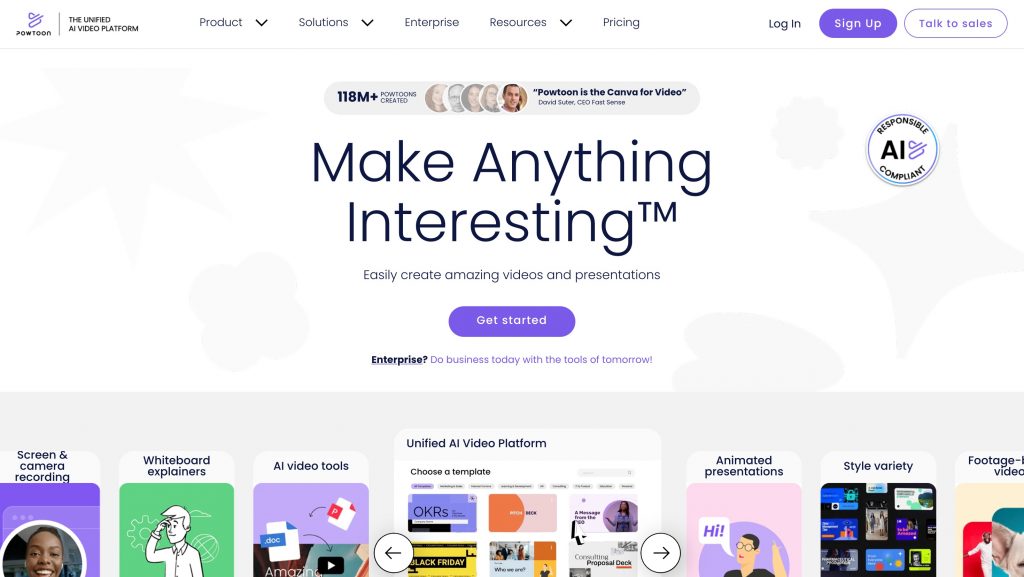
Powtoon: Great for brand-ready presentations, product explainers, and enterprise messaging that needs a consistent look and feel.
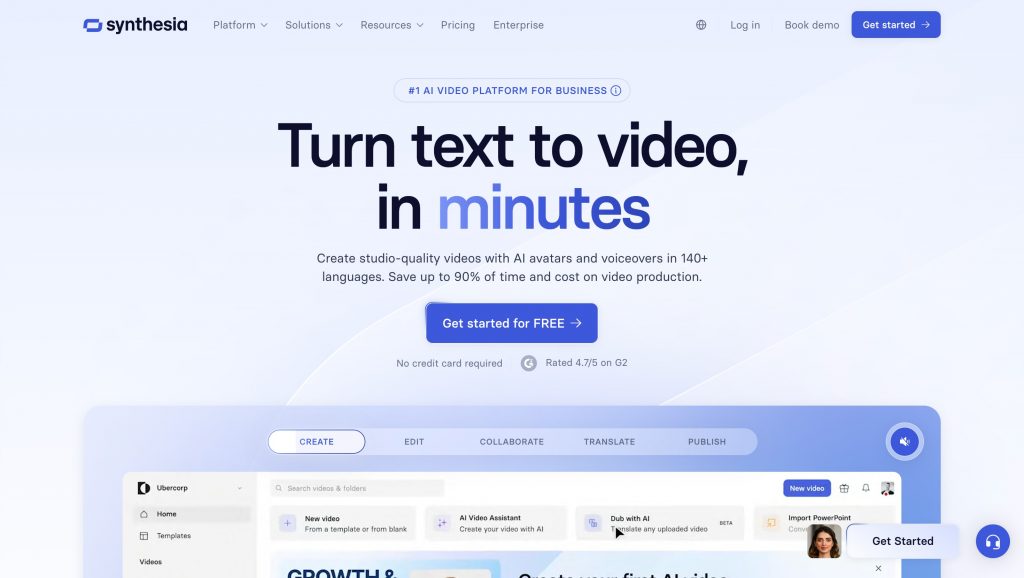
Synthesia: Widely used for training videos, internal communication, and compliance-friendly content with a professional tone.
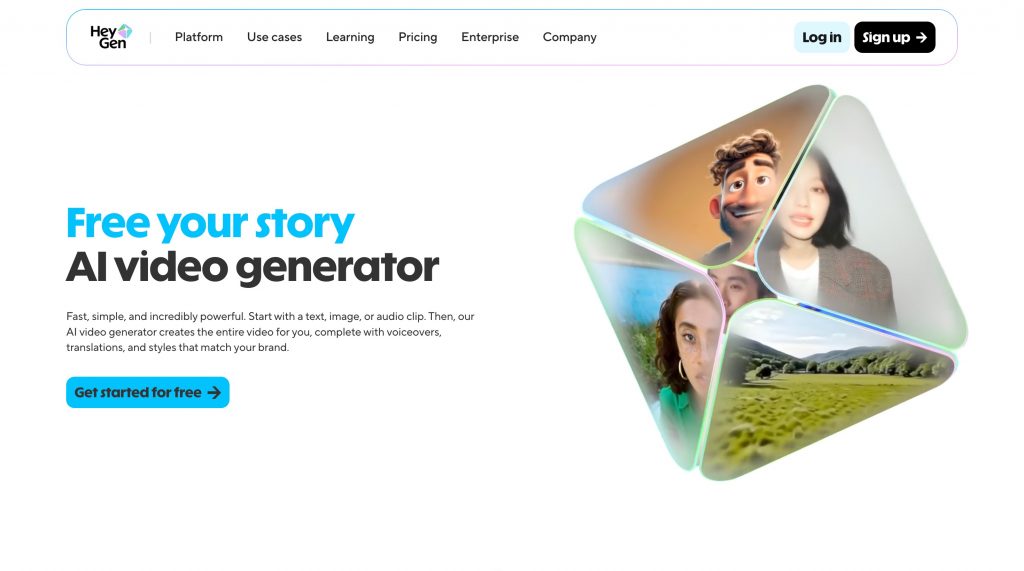
HeyGen: Offers talking-head avatars and strong support for multilingual communication for global audiences.
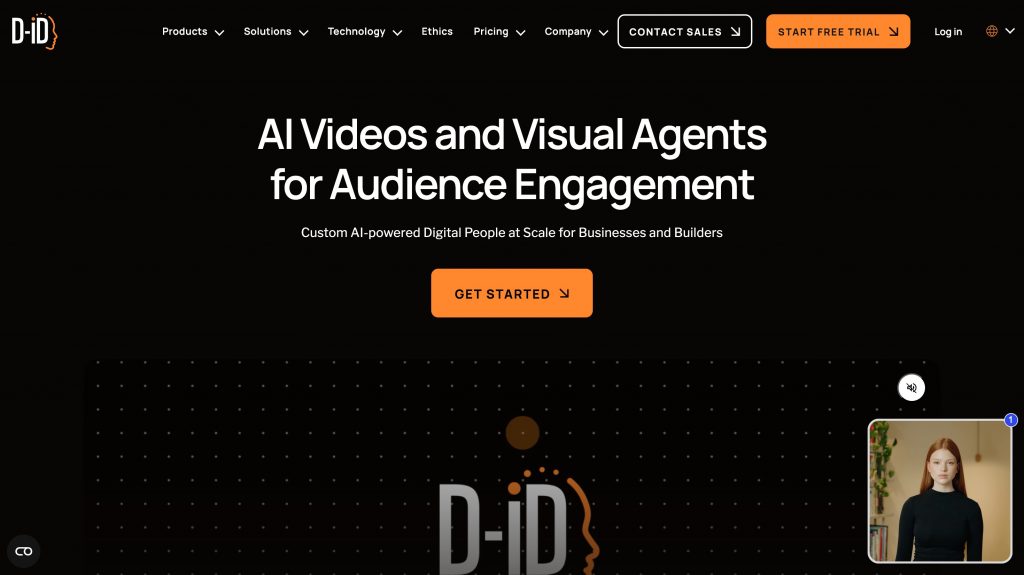
D-ID: Simple and effective for B2B announcements and internal video messages that don’t require heavy production.
Key requirements for B2B marketing avatars
Clarity of message
The avatar should deliver scripts in a way that is easy to follow and understand, especially for complex topics.
Professional look and tone
Styles and voices need to feel polished and appropriate for business audiences, not casual or overly playful.
Multilingual delivery
Support for multiple languages helps teams create videos for global markets without added steps.
Consistent branding
The tool should let you apply the same visual and voice style across all videos, so your brand feels unified.
Reliable performance
Avatars should work smoothly without glitches or errors, so videos can be created and shared without delays.
Best AI avatar creation tools for marketing (general)
For B2C and general brand marketing, the focus is a bit different from that in B2B. Consumer-facing content often needs expressive avatars that can show personality and connect with audiences quickly. Videos for social platforms usually move fast and need to feel natural in a feed. At the same time, storytelling and brand identity still matter — people should recognize your style whether they see the video on Instagram, TikTok, YouTube, or your website.
Another key need for B2C marketing is flexibility. Tools should make it easy to create different formats and experiment with styles, tones, and lengths. This lets teams try new ideas without starting from scratch each time.
Here are some of the best AI avatar creation tools for marketing in 2026:
Powtoon: supports both animated and live-action options for brand content and social videos, making it easy to combine avatars with a broader video maker workflow.
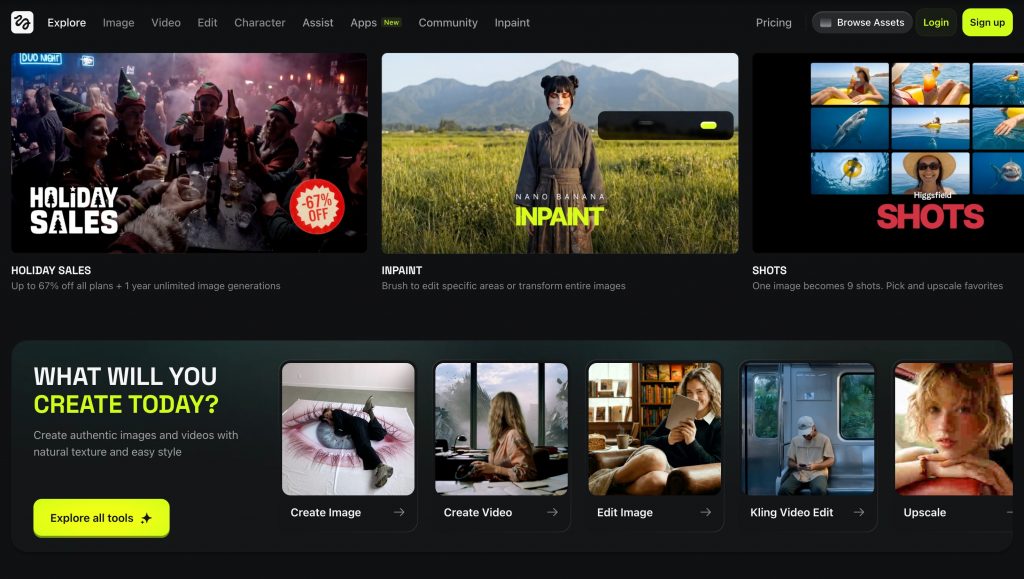
Higgsfield: works well for campaigns that need cinematic motion and visual depth.
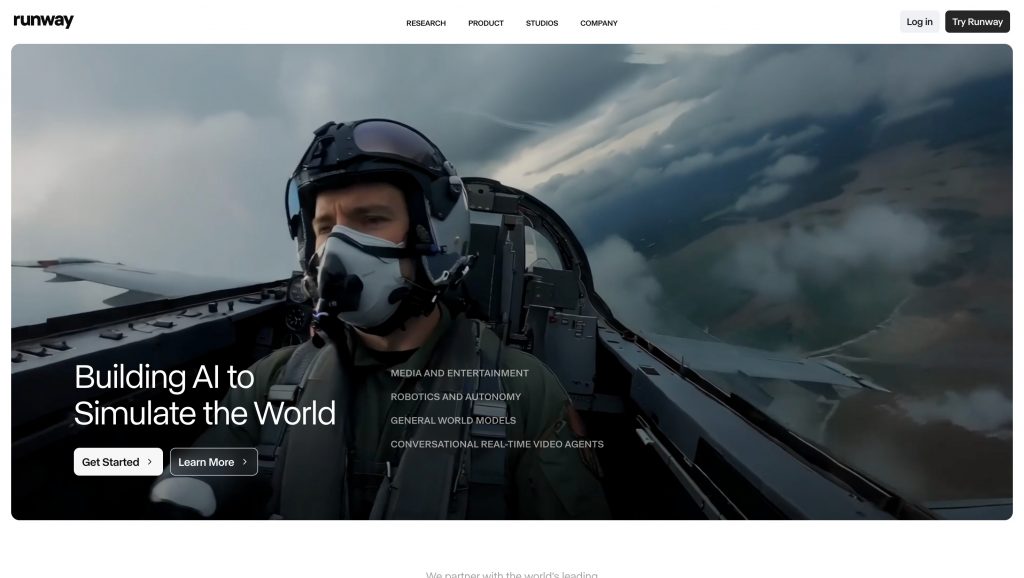
Runway: helps create dynamic visuals suited for social ads and fast-paced feeds.
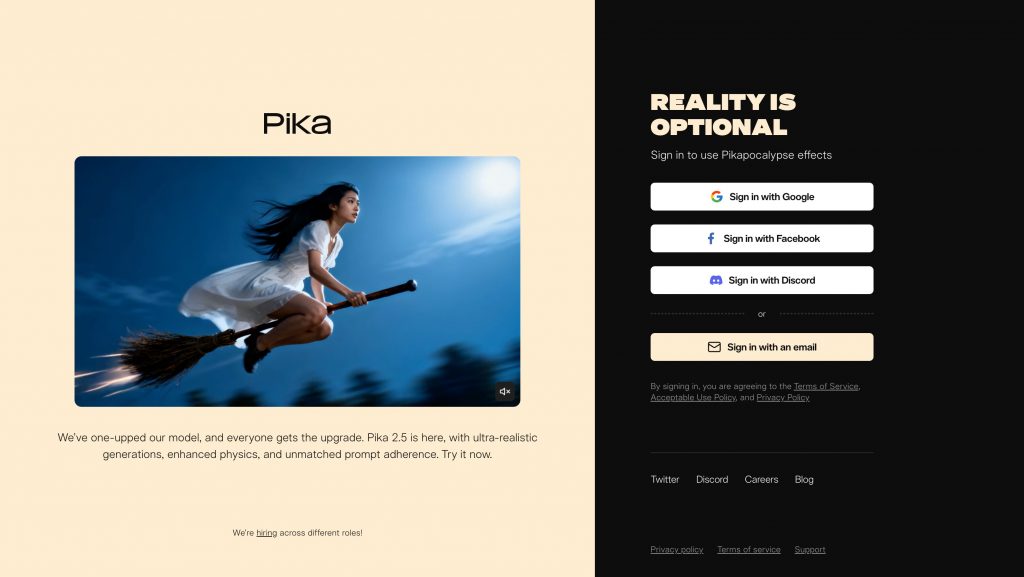
Pika: fits short-form content and playful styles that match social trends.
What matters most for marketing avatar tools
Expressiveness
Avatars should show emotion and personality so videos feel engaging, not flat or robotic.
Pacing that fits the platform
The tool should support different video lengths and speeds, especially for fast-moving social content.
Clear brand identity
It should be easy to apply your brand’s colors, style, and tone so videos feel recognizable.
Platform compatibility
Videos need to work well across social media, websites, ads, and other marketing channels.
Creative flexibility
The tool should allow room to experiment with formats, visuals, and ideas as campaigns evolve.
Choosing the top AI avatar marketing creation tools
AI avatars help marketers produce more video content with less time and effort. They make it easier to scale content, personalize messaging for specific audiences, and keep production moving without long shoots or large teams. The right tool can simplify updates, support many languages, and help your brand stay active across channels.
When choosing a tool, think about how you plan to use it. B2B teams often need clear, professional avatars for training, demos, and formal communication. In those cases, tools that focus on polished delivery and consistency may work best. For B2C and general brand marketing, you may want tools that offer expressive avatars, playful styles, and options that fit fast-paced social platforms.
Consider whether your priority is personalized content, product explainers, or short social videos. Matching the tool to the specific use case will help you make better videos with less effort and better results.
FAQ
How can AI avatars be used in marketing?
AI avatars are used for product demos, social media videos, email campaigns, explainers, onboarding, and internal updates. They help teams create video content faster, keep messaging consistent, and adjust videos for different audiences without extra production work.
What is the best AI avatar tool for marketing?
The best tool depends on your goals. B2B teams usually need clear, professional videos, while B2C teams focus more on creativity and pace. Powtoon’s AI avatar generator is often a strong choice because it works well for both business communication and brand-focused marketing.
Are AI avatars good for B2B videos?
AI avatars are a good fit for B2B videos where clarity and consistency matter. They’re commonly used for training, product demos, onboarding, and internal communication, helping teams share information clearly and professionally.
Can AI avatars replace live presenters?
AI avatars work best for repeatable content like explainers, updates, and training videos. Live presenters are still better for interviews, storytelling, and moments that need a strong human connection. Many teams use a mix of both.
How do AI avatars help with content scaling?
AI avatars help teams to create more videos in less time. Scripts can be updated quickly, content can be reused across channels, and videos can be made in multiple languages without new shoots.
Are AI avatar tools expensive?
Pricing depends on the tool and how you use it. Some platforms offer affordable plans for basic needs, while others focus on advanced or enterprise use. In most cases, they cost less than traditional video production.


Hanna Abitbul
Latest posts by Hanna Abitbul (see all)
- How can AI avatars be used in marketing? Top tools and strategies for 2026 - September 25, 2026
- What is Veo 3 and How Does It Work? - July 7, 2025
- Veo 3 vs. Sora by OpenAI: Side-by-Side Comparison for 2026 - June 26, 2025
- Veo 3 Cinematic Video Creation: Realism Without the Wait - June 25, 2025